LVF PACKAGING GETS TRUCKING
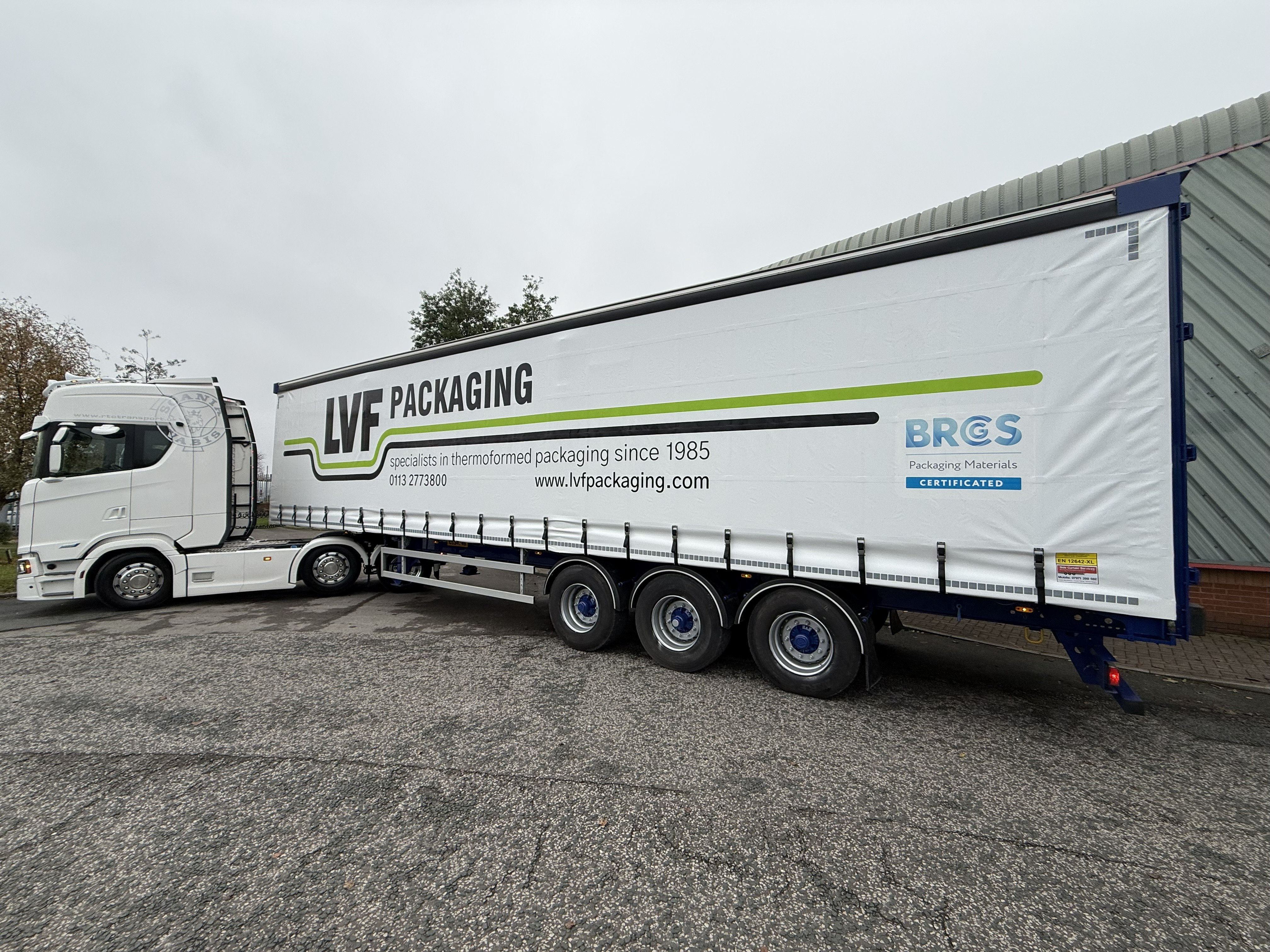
LVF Packaging has gone big with its promotional activity - taking to the road on the side of RTC Transport trucks.
Continue ReadingThe plastic packaging sector faces its biggest ever challenge - convincing a sceptical public and the mainstream media that its products are the most effective packaging for the future.
We've been working towards sustainability for many years and are proud of what we do.
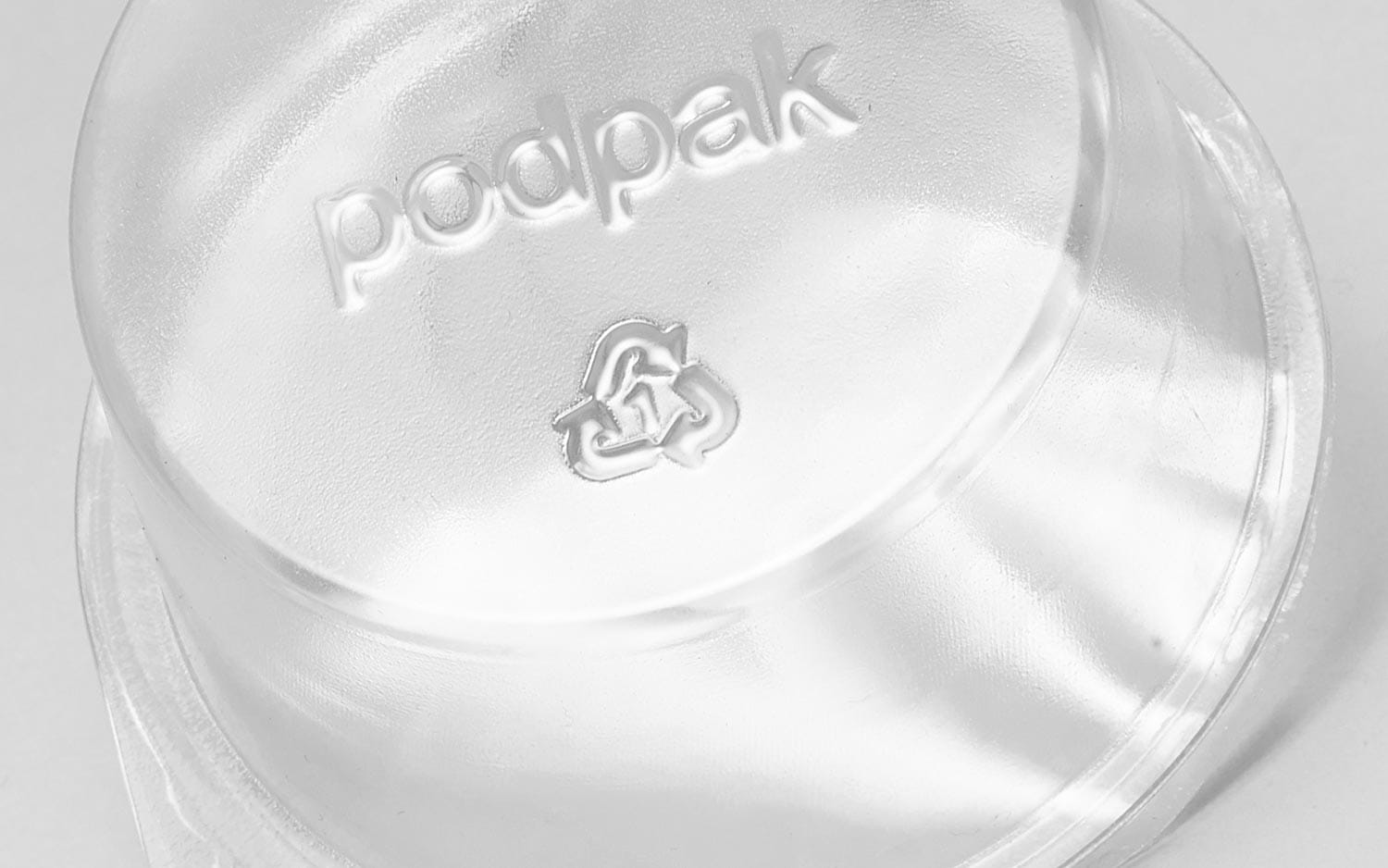
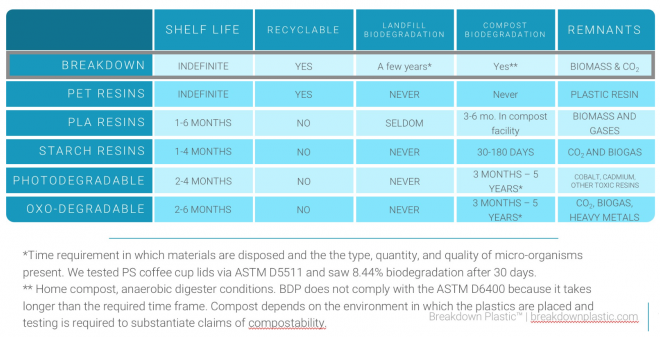
In 2019 we became one of the first packaging companies in the UK to manufacture and sell products made from BreakdownPET - a biodegradable and fully recyclable plastic material that is designed to quickly, naturally and safely decompose in landfill.
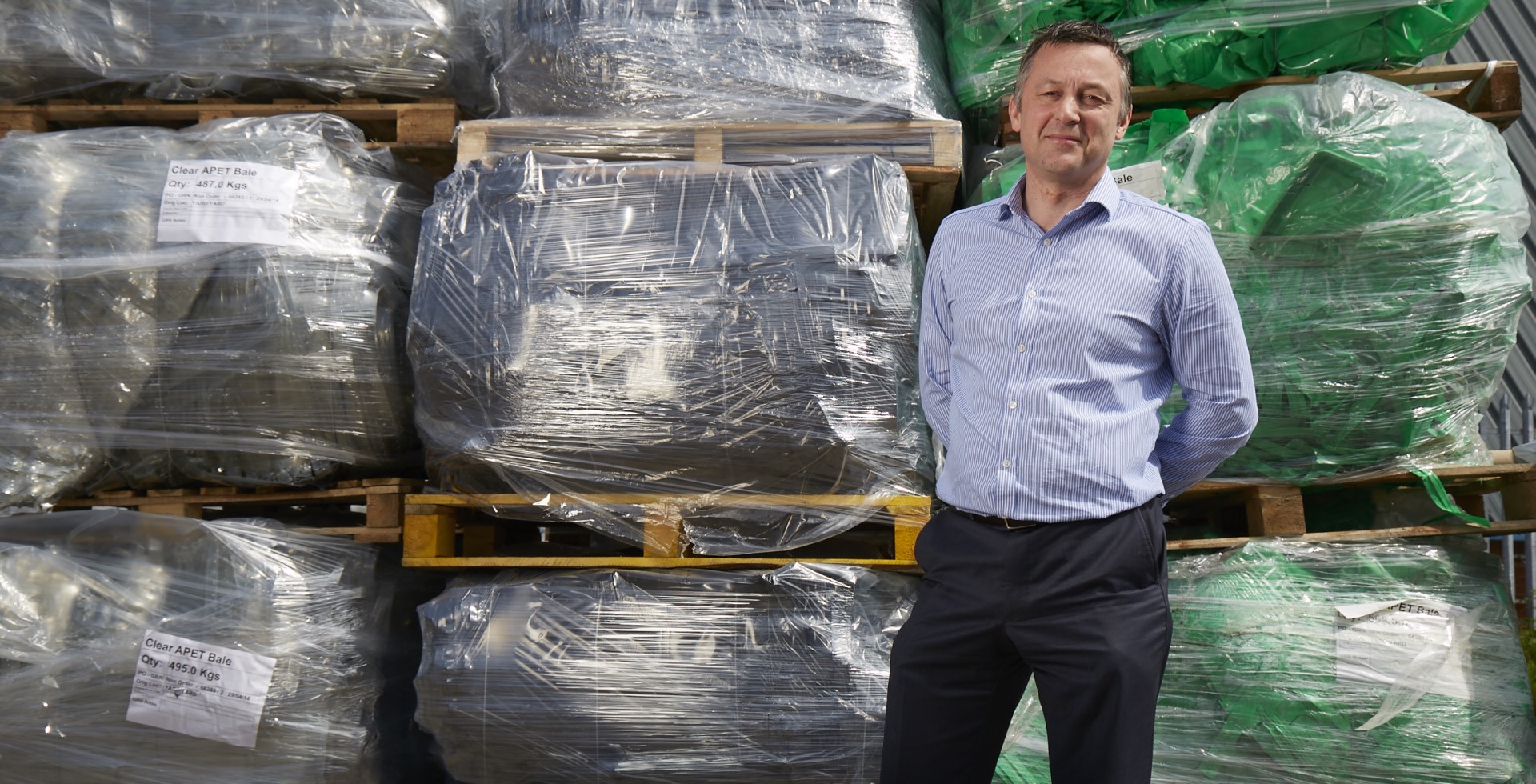
In 2020 we achieved a landmark goal – recycling all plastic waste created during the manufacturing process at our National Road factory in Leeds, West Yorkshire.
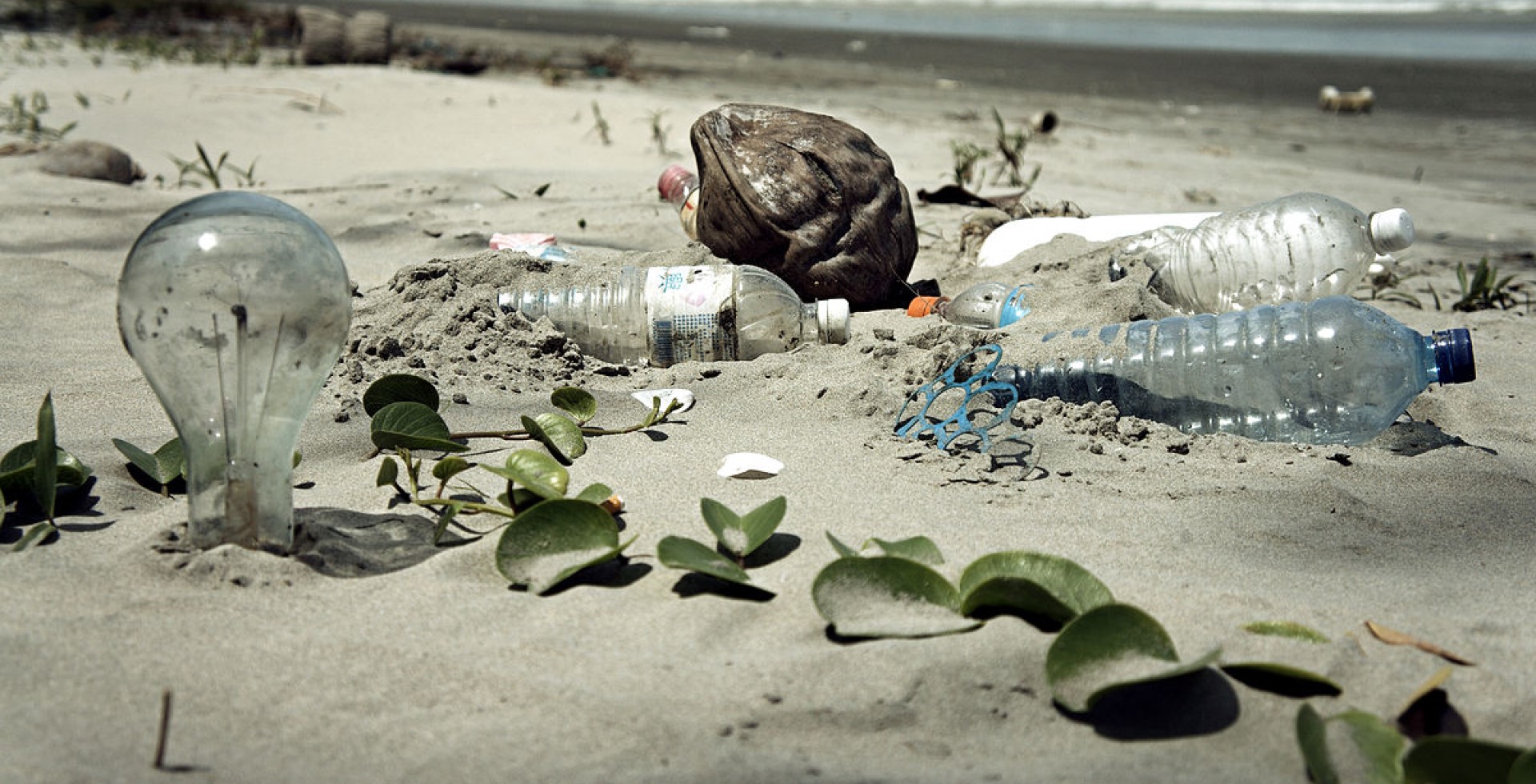
There's no escaping the fact that the images first broadcast on David Attenborough's Blue Planet in 2018 were horrific; and a damning indictment on the way that plastic waste is disposed of around the world.
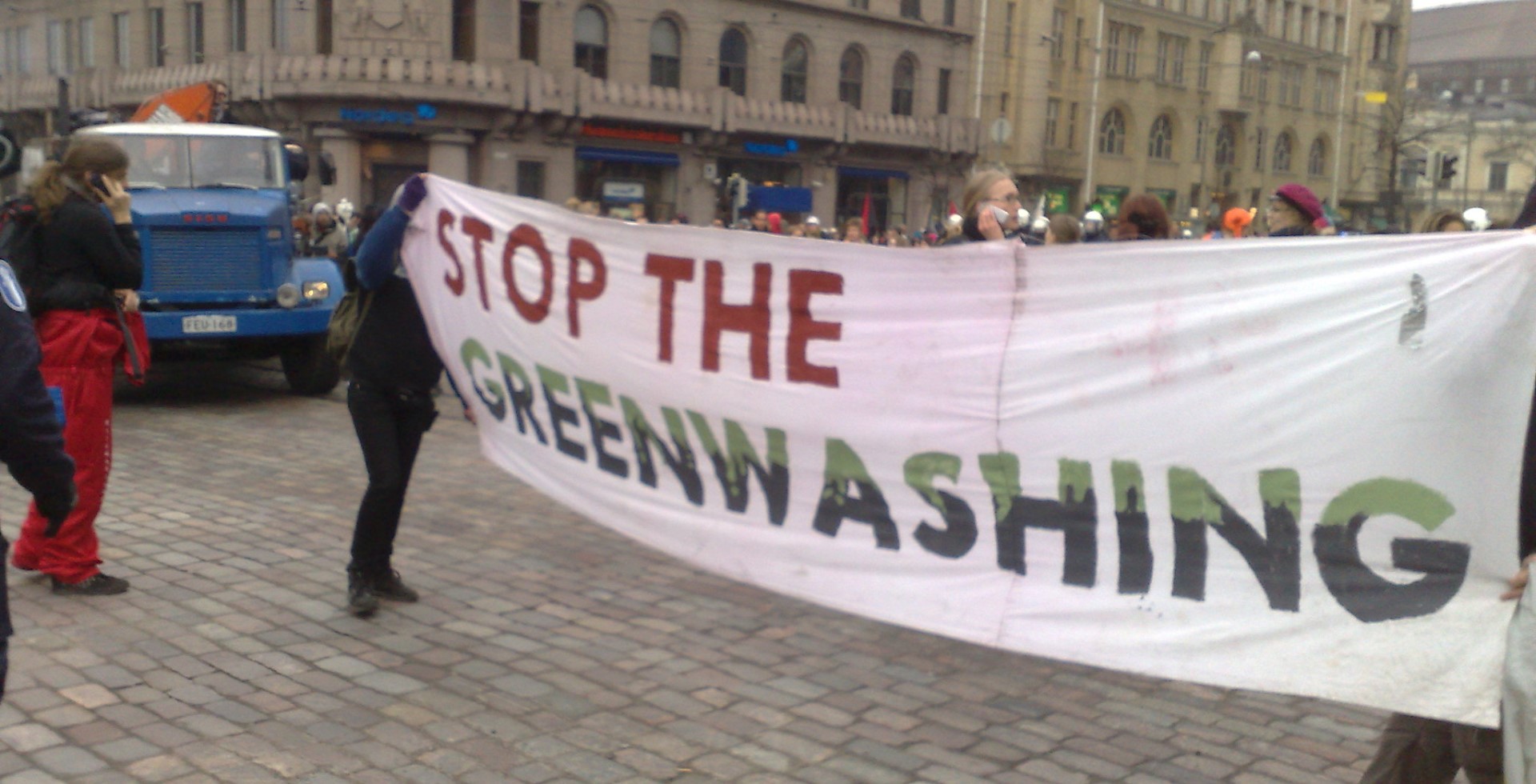
What has followed has been at best imbalanced, and at worst - a greenwash.
Plastic packaging does not grow legs and walk into the oceans of the world on its own.
The reason why plastic waste ends up where it does is because people dump it there. And all the different companies and Governments promising reductions, even bans, on the use of different plastic products, isn't going to stop that any time soon
What is needed is for all parties to work together to highlight, where appropriate, plastic's benefit; find suitable alternatives when it's not; and for Governments to incentivise waste management companies to recycle all plastics as opposed to trading only in the currently very select crop of high value ones.
A joined up global approach towards plastic packaging and recycling is the only way to turn the tide on plastic pollution.
BREAKDOWN PET EXPLAINED
When talking about biodegradable plastics, it’s important to understand the definition of the biodegradation process. By definition, plastics that fragment or degrade through chemical reactions, ultraviolet radiation and / or mechanical processes are not biodegradable. They are simply degradable and in most cases leave toxins; heavy metals like cadmium, nickel and cobalt; and residues of the polymer in the environment.
Plastics are hydrocarbons that come from crude oil and are 100 per cent biodegradable thanks to oleo-physeal bacteria. However, in the process of distillation its original organic nutrients are burned. Additionally, manufactured plastic products are designed to be durable. All of which explains why traditional plastics take thousands of years for the microbes in them to decompose.
The organic additives used in Breakdown PET accelerate the biodegradation of treated plastics in microbe-rich environments. The material uses organic, carbon based ingredients that enable polymers to biodegrade like organic matter. Products made from Breakdown PET have an unlimited shelf-life and are completely non-toxic.
Breakdown PET actually attracts microbes to the product, where they colonise on its surface, and secrete acids that break down the polymer chain. Once the polymer chain is opened the microbes utilise the carbon backbone as a source of food and energy, and biodegradation occurs at the atomic level.
The difference between Breakdown PET and traditional plastic is that Breakdown PET creates an opportunity for microbes to utilise plastic as food and energy, which accelerates biodegradation. The end result of biodegraded Breakdown PET is the same as that of any biodegraded organic matter – humus, CO2 and CH4 that can be captured to produce clean, cheap energy.

LVF Packaging has gone big with its promotional activity - taking to the road on the side of RTC Transport trucks.
Continue Reading
A family-owned packaging business has celebrated its 40th anniversary with a sales record – notching up over £1million turnover in a calendar month for the first time ever.
Continue Reading
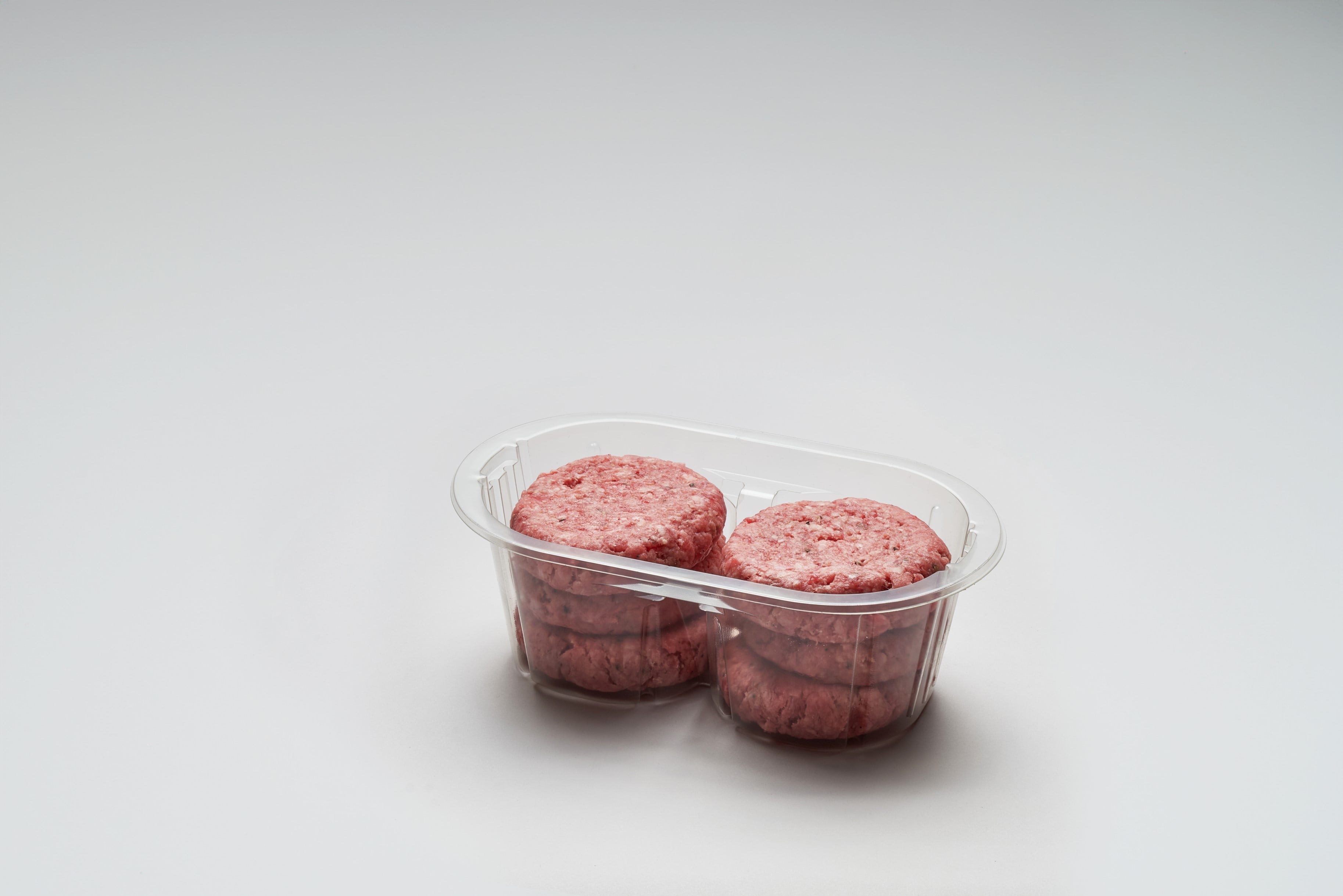
Leeds-based LVF Packaging says the warm and sunny start to spring has had a significant impact on its production levels and turnover – with supermarket customers increasing the amount of thermoformed meat trays needed whenever the forecast for the weekend suggests BBQ weather is on the way.
Continue Reading